If you think silent films are boring, grainy, or just silly, I am here to change your mind.
Silent films are fascinating. The artists who made them were learning as they went. There were no rules and plenty of room for innovation. Things we take for granted today we’re invented by these filmmakers working with rudimentary equipment and, sometimes, only natural light.

Silent films are only grainy if you have a bad print. Over 90% of all silent films ever made have been lost forever, never to be seen again. Many of the prints you see today were taken from sub-par copies because that’s all we have. Luckily, many of these masterpieces are being restored when the funding is available. (Support film restoration!)
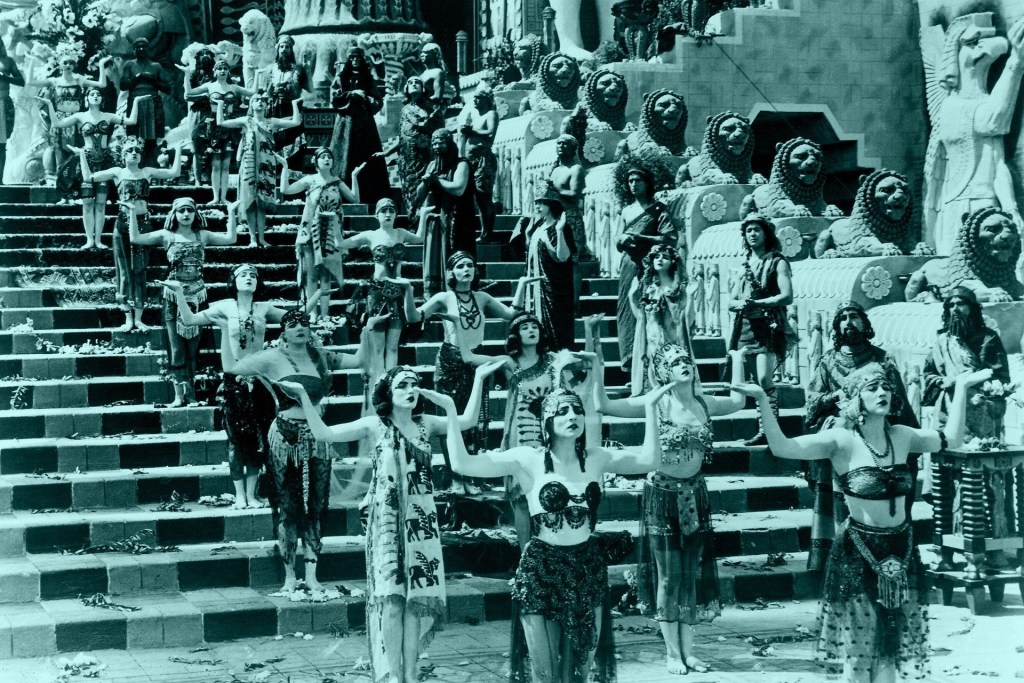
Sometimes silent films look unintentionally silly. This is usually because they were frequently run at the wrong speed when shown on television, giving them a “Benny Hill chasing a half-naked woman while Yakety Sax plays” effect. If you don’t know what that means, watch this. Frame rates were not universal back then, frequently around 16 FPS, but later the standard was set at 24 FPS, so many silent films were being run at a much faster rate than intended.
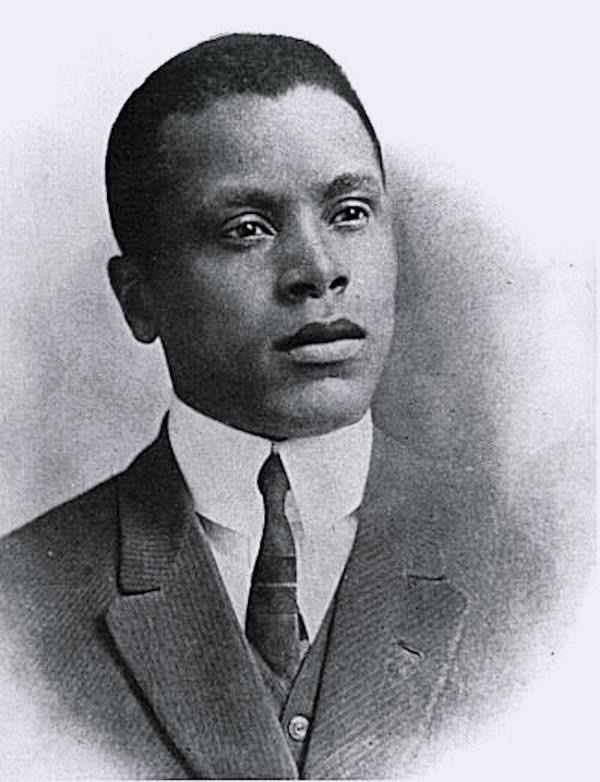
This is only just scratching the surface. Pioneers of early cinema, including women, immigrants, and minorities, did so much with so little, before filmmaking became a commodity run by a few white men.
This is my first post here while I work on launching my YouTube channel, where you’ll find my silent film documentaries and can watch some early films, with context and commentary. If you have any interest in filmmaking, history, or creative innovation, be sure to subscribe here and on YouTube so you don’t miss a thing!
 Talking Silents